Understanding the Average Down Payment
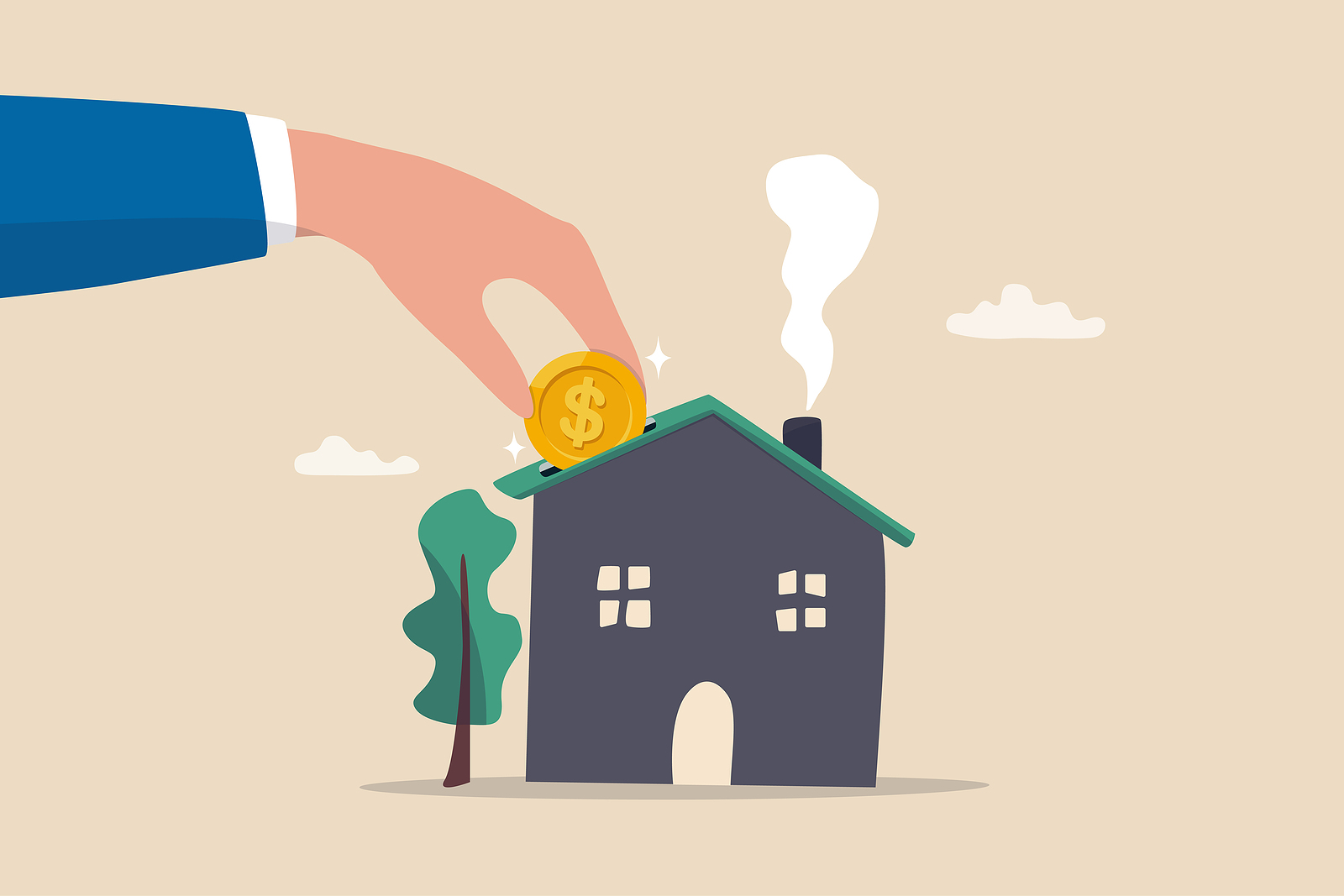
The average down payment to buy a house refers to the initial sum of money that a buyer pays upfront when purchasing a property. It serves as a commitment from the buyer and indicates their seriousness about the transaction. Typically, the down payment is a percentage of the total purchase price of the house.
Factors Influencing the Average Down Payment
Several factors influence the average down payment required to buy a house. These include:- Property Market Conditions: In a seller’s market where demand outweighs supply, buyers may need to offer a higher down payment to stand out among competing offers.
- Lender Requirements: Mortgage lenders often have specific requirements regarding the minimum down payment percentage for loan approval. Buyers with larger down payments may have access to better interest rates and loan terms.
- Property Price: The cost of the property itself plays a significant role in determining the average down payment. Higher-priced homes typically require larger down payments.
- Government Policies: Government initiatives and policies, such as first-time buyer programs or down payment assistance schemes, can impact the average down payment amount. Umbrella Insurance Policies extend beyond the coverage limits of your existing insurance policies, such as auto or homeowners insurance. It kicks in when the limits of those policies are exhausted, providing additional liability coverage.
Implications for Sellers
For sellers, understanding the average down payment to buy a house is essential for pricing strategies and negotiations. Here’s how it affects sellers:- Competitiveness: Properties with lower down payment requirements may attract a larger pool of potential buyers, increasing competitiveness and driving up property prices.
- Transaction Security: A higher down payment offers sellers greater assurance of the buyer’s financial capability and commitment to the purchase. It reduces the risk of the sale falling through due to financing issues.
- Negotiation Leverage: Sellers may use the average down payment as a negotiating tool during the sale process. A higher down payment could incentivize sellers to accept an offer or make concessions.
- Market Awareness: Keeping abreast of current market trends and average down payment expectations allows sellers to adapt their selling strategies accordingly, maximizing their chances of a successful sale.