The real estate market is continuously shaped by the preferences of its newest buyers. Millennials and Gen Z, now the largest demographics entering the market, are rewriting the rules of homeownership. Their distinct lifestyles, values, and priorities have redefined what makes a house a “home.” Let’s explore the key trends driving their real estate decisions and how these generations are influencing the future of housing.
Sustainability is a Must-Have
One of the defining traits of Millennial and Gen Z homebuyers is their commitment to sustainability. Eco-friendly features are no longer a bonus; they’re an expectation. Homes with solar panels, energy-efficient appliances, and smart thermostats are highly sought after. These generations also favor homes built with sustainable materials and located in eco-conscious neighborhoods. From low-maintenance landscaping to water-saving fixtures, sustainability impacts every part of their decision-making process. Why it matters: Younger buyers are willing to pay more upfront for energy-efficient homes because they understand the long-term savings and environmental benefits. Builders and sellers catering to this trend can attract these environmentally conscious consumers.
A Strong Desire for Flexibility
The traditional layout of a home is being challenged by the needs of these modern buyers. Millennials and Gen Z value homes that offer multifunctional spaces. As remote work continues to thrive, they prioritize properties with home offices or spaces that can be easily adapted for work, fitness, or hobbies. Open floor plans, bonus rooms, and customizable layouts allow these buyers to create a home that fits their unique lifestyles. Flexibility in design reflects their desire for spaces that grow with them and adapt to changing circumstances. Why it matters: Sellers who stage rooms with multiple functions and highlight flexible layouts can better connect with younger buyers seeking these dynamic spaces.Urban Living with a Twist
While Millennials and Gen Z often gravitate towards urban environments, their preferences go beyond the allure of city living. They seek walkable neighborhoods that offer a mix of convenience and community. Proximity to local shops, dining options, parks, and public transit are non-negotiable. Interestingly, there’s a growing trend of these buyers choosing smaller, “up-and-coming” cities over major metropolitan areas. Affordability, lifestyle quality, and a lower cost of living make mid-sized cities appealing alternatives to traditional urban hubs. Why it matters: Highlighting walkability and community features in real estate listings can resonate strongly with these buyers. Mid-tier cities and suburban neighborhoods with urban amenities are particularly appealing.Technology Integration
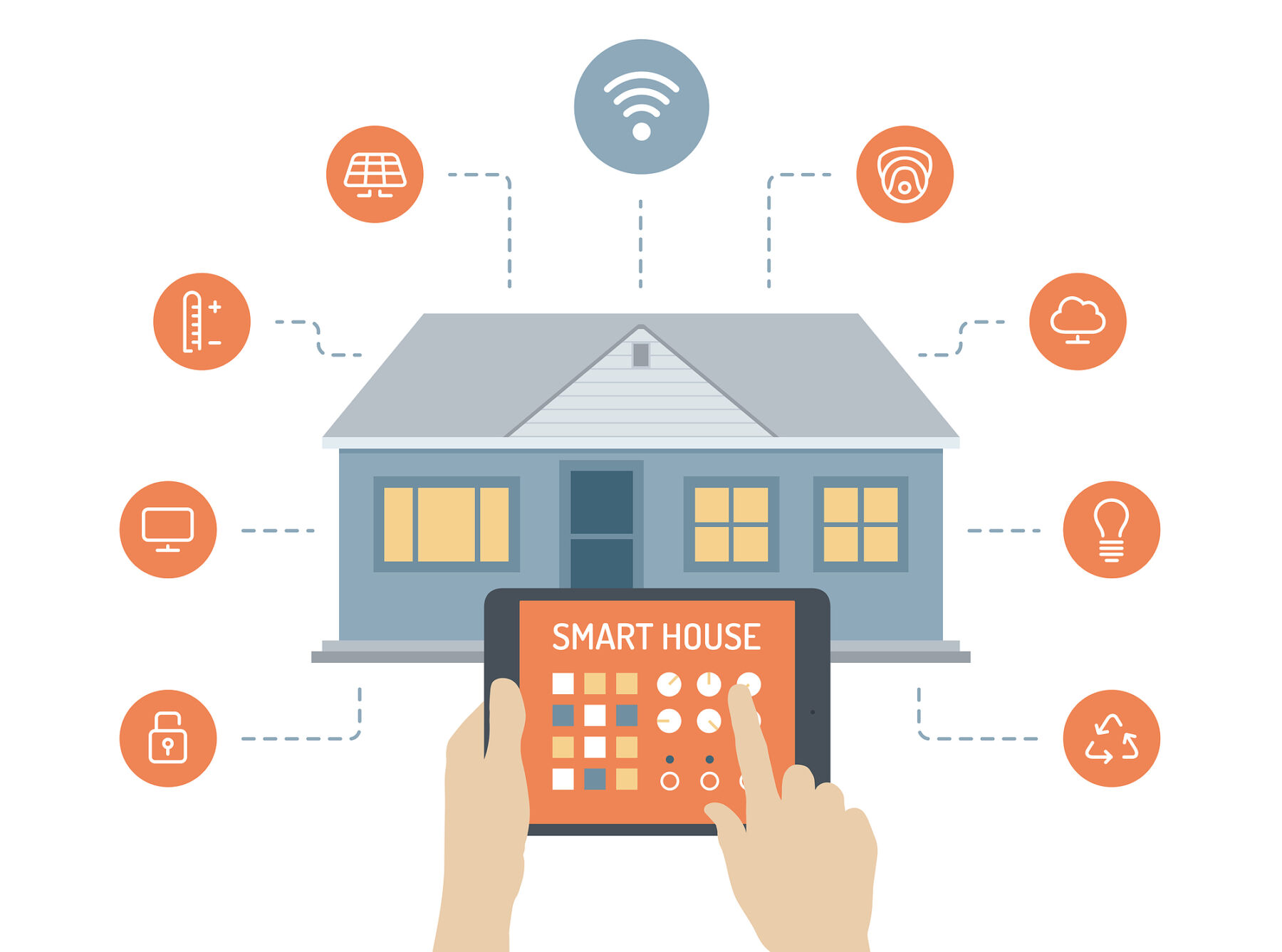
Smart homes are a major draw for Millennial and Gen Z buyers. From smart locks and security systems to voice-controlled lighting and climate settings, technology is at the forefront of their purchasing decisions. These generations value the convenience and efficiency that come with tech-enabled living.