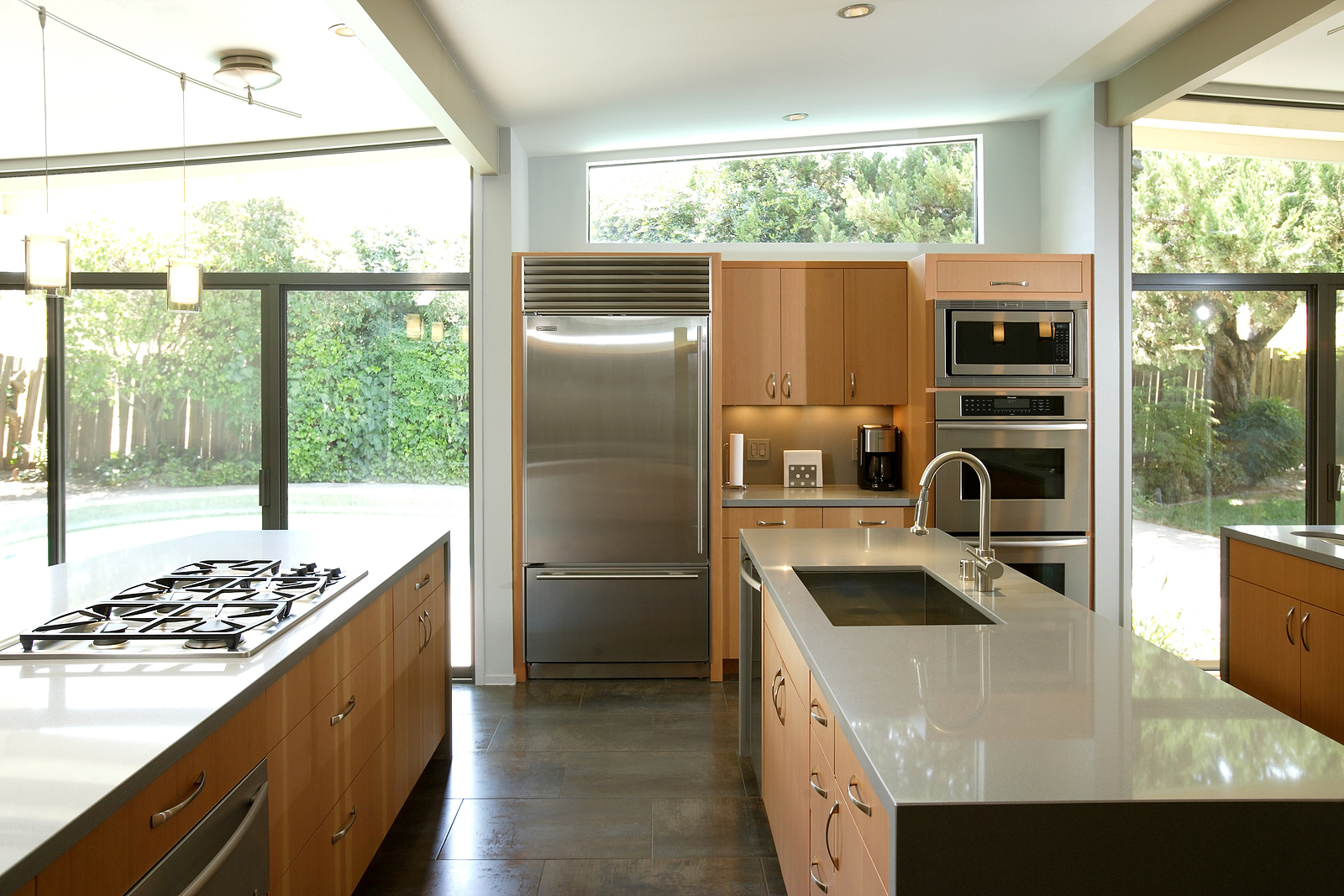
Advantages of Open Floor Plans
Spaciousness and Connectivity
One of the primary benefits of open floor plans is the sense of spaciousness they create. These layouts promote a seamless flow of space by eliminating walls between rooms like the kitchen, dining area, and living room. This interconnectedness fosters a sense of togetherness, making it ideal for families and those who enjoy entertaining guests. With open floor plans, you can easily transition from cooking dinner to engaging in conversation with loved ones without feeling isolated.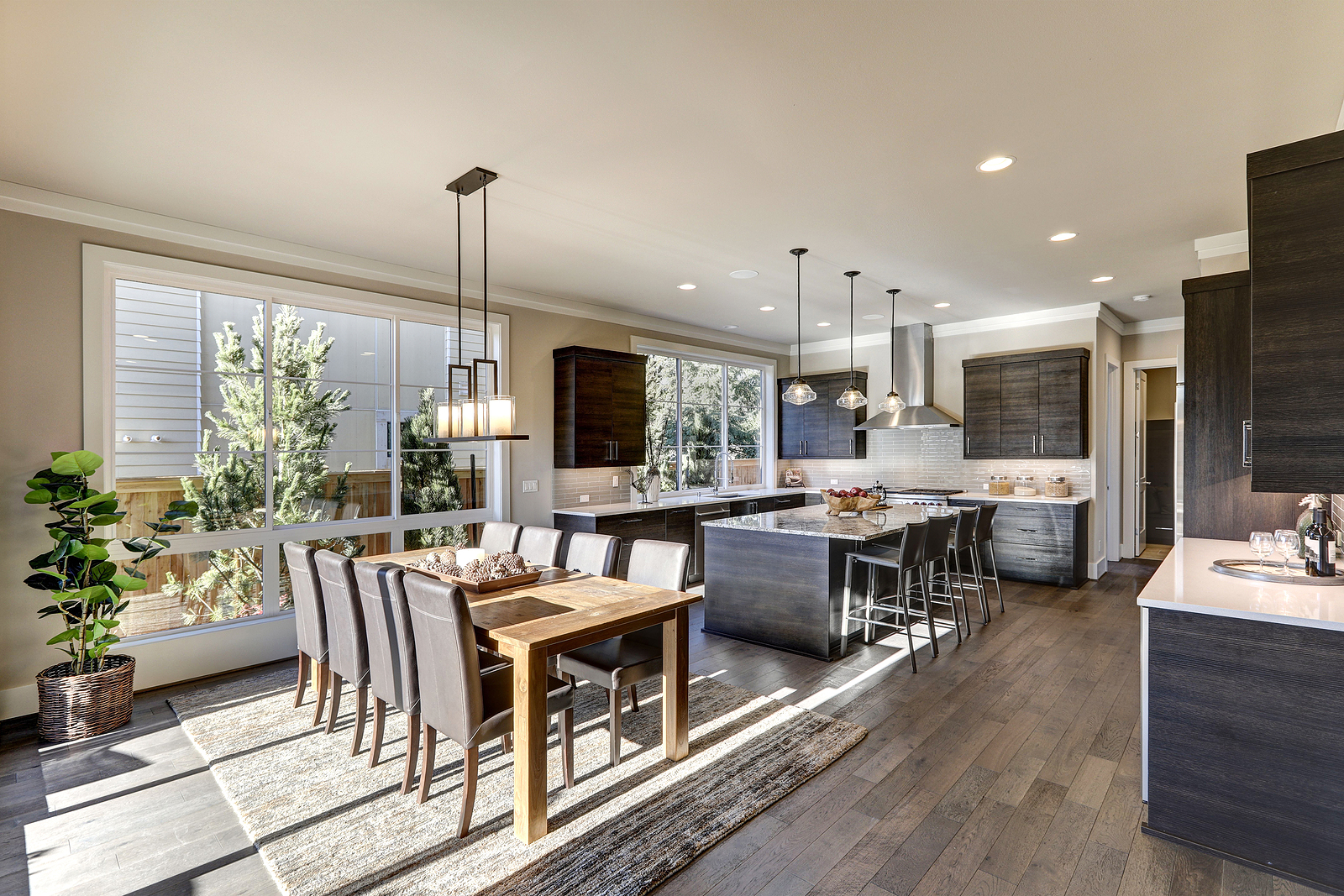
Natural Light and Air Circulation
Another advantage of open floor plans is the enhanced penetration of natural light throughout the living space. Without walls obstructing the flow of sunlight, rooms appear brighter and more inviting. Additionally, improved air circulation contributes to a more comfortable and breathable environment, especially in warmer climates. This abundance of natural light and fresh air can uplift mood and enhance overall well-being.Versatility in Design
Open floor plans offer greater flexibility and versatility in interior design. With fewer structural constraints, homeowners have the freedom to personalize their space according to their preferences and lifestyles. The possibilities are endless, from rearranging furniture to incorporating multifunctional elements, such as room dividers or movable partitions. This adaptability allows for creative expression and innovation in home decor.Disadvantages of Open Floor Plans
Lack of Privacy
While openness fosters connectivity, it may come at the cost of privacy. Without walls to separate different areas, noise, and activities from one space can easily permeate into another. This can be particularly challenging in households with multiple occupants or differing schedules. Individuals seeking solitude or quiet retreats may find it difficult to escape from the hustle and bustle of communal living in open-floor-plan homes.Noise Amplification
Another drawback of open floor plans is the potential for noise amplification. Without physical barriers to absorb or block sound, noise levels can escalate, leading to disruptions and distractions. Activities such as cooking, watching television, or children playing can generate considerable noise reverberating throughout the space. This can be problematic for individuals who value peace and tranquility or require concentration for work or study.